Since 2016. Published App Developer. Least-Privilege Access.
A Shopify Development Company you can verify from the outside.
Tripster Developers has built on Shopify since 2016. We publish our own apps on the Shopify App Store under our own partner account, hold store access at least privilege through Shopify's own permissions rather than shared logins, and build to WCAG 2.2 AA as standard rather than as an audit item.
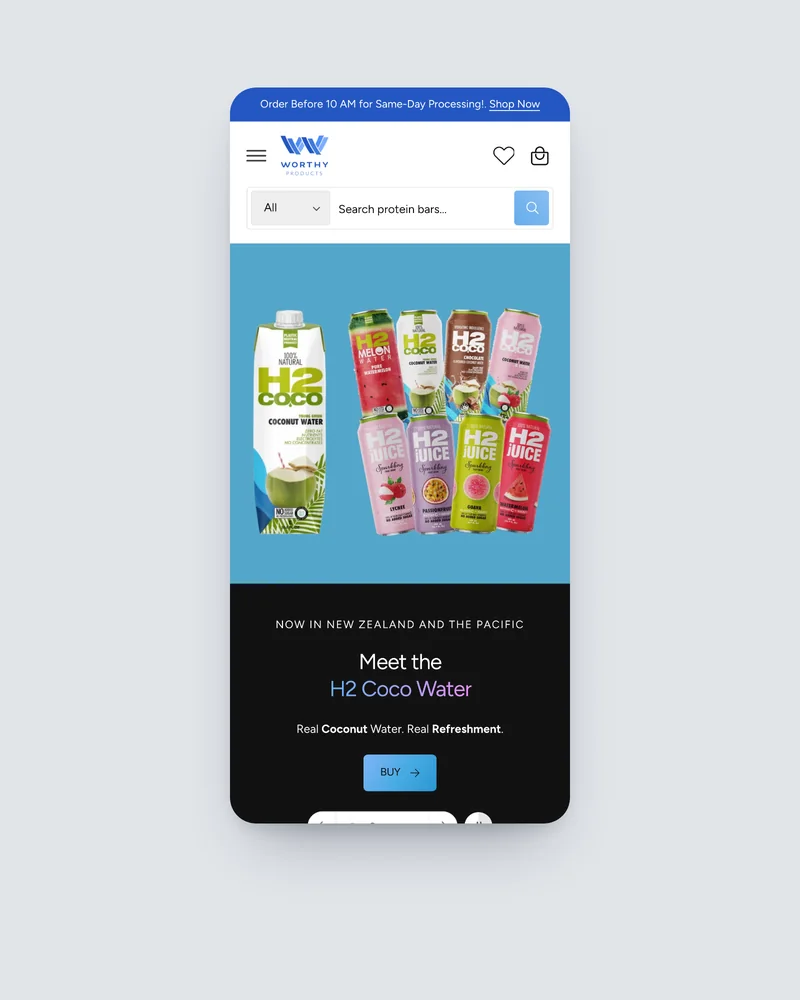
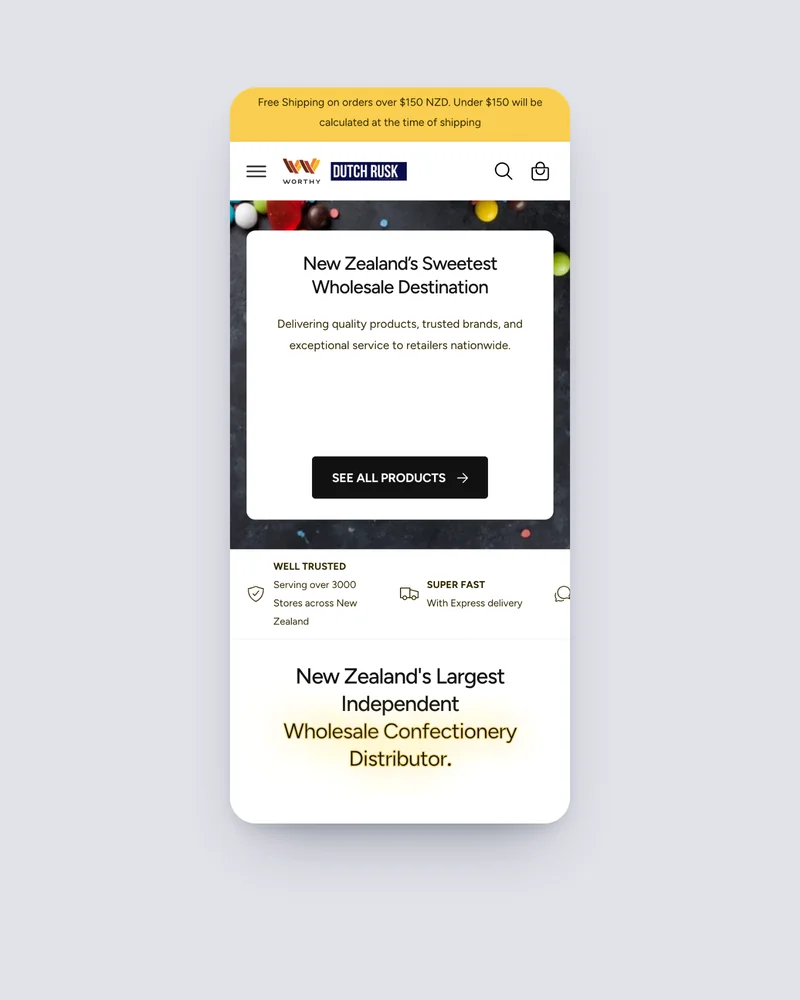
A Shopify development company is credible when the evidence can be checked without its help: a Shopify Partner directory listing, apps published on the App Store under its own account, reviews readable in full, and live stores you can load yourself. Anything verifiable only on the company's own website should carry less weight.
★★★★★5.0 rating on the Shopify Partner DirectoryBuilding on Shopify since 2016

How to judge one
Four questions that separate suppliers faster than a portfolio does.
What is explicitly out of scope in this quote. Who specifically writes the code and can we meet them. What happens to the code and the store if we leave. And what have you published that we can inspect without your help.
Ask every company you are considering the same four and compare the answers side by side. Ours: the exclusions are written into the proposal, you meet the developer before paying anything, the store and code are yours on your own account throughout, and our apps are live on the Shopify App Store right now. More on how we work is on our about page.
What we do
Capabilities across the platform.
Custom Shopify Development
Liquid, Online Store 2.0 sections, metaobjects and custom storefront logic for DTC, B2B and hybrid businesses.
Shopify Plus Development
Checkout Extensibility, Shopify Functions, native B2B and Shopify Markets for brands selling across borders.
Custom Theme Development
Bespoke Liquid themes built from scratch. Mobile-first, merchant-editable through section schema, Lighthouse 90+.
Platform Migrations
WooCommerce, Magento and BigCommerce to Shopify. Redirect mapping built before cutover so rankings survive.
Shopify App Development
Private and public apps built to App Store standards: OAuth, verified webhooks, privacy endpoints and Polaris UI.
ERP Integration
Shopify to Odoo and Shopify to ERP sync for inventory, orders and customers, with real error recovery.
Where we work
Worldwide delivery, local pricing and payments.
The build standard does not change by market. What changes is the currency you are quoted in, the payment gateways and carriers we configure, and the hours we schedule against.
Shopify Experts New Zealand
Local pricing in NZD, regional payment gateways and carriers configured, and delivery scheduled against your business hours.
Shopify Experts Australia
Local pricing in AUD, regional payment gateways and carriers configured, and delivery scheduled against your business hours.
Shopify Experts United States
Local pricing in USD, regional payment gateways and carriers configured, and delivery scheduled against your business hours.
Shopify Experts United Kingdom
Local pricing in GBP, regional payment gateways and carriers configured, and delivery scheduled against your business hours.
Shopify Experts Canada
Local pricing in CAD, regional payment gateways and carriers configured, and delivery scheduled against your business hours.
Shopify Development Company: common questions
How long has the company been building on Shopify?
Since 2016. Shopify has been the primary platform for that entire period rather than one service line among many, which matters because platform-specific knowledge is mostly accumulated scar tissue: the migration edge cases, the app conflicts, the checkout behaviors that are not in the documentation.
What makes a Shopify development company credible?
Evidence you can check without taking anyone's word for it. A Shopify Partner directory listing, published apps on the App Store under the company's own account, reviews you can read in full, and live stores you can visit and load on your own phone. We publish our own apps on the Shopify App Store. Anything that cannot be verified from outside the company's own website should carry less weight than it usually does.
Do you subcontract work offshore?
The developer you meet is the developer who does the work. We do not take a brief, mark it up and pass it to an unnamed third party, which is a common arrangement and the reason a lot of agency work arrives with a quality gap between the pitch and the delivery. Where a specialist is brought in for design or a specific integration, you are told who and why.
How do you handle access to our store and data?
With the least access that does the job, granted through Shopify's own collaborator and staff permissions rather than shared logins. Credentials are never shared over email or chat. Access is documented so you can see exactly who has what, and it is revoked at the end of an engagement without you having to ask.
Are you compliant with GDPR and privacy requirements?
Yes. Our published apps implement Shopify's mandatory data protection webhooks, including customer data requests, customer redaction and shop redaction, because Shopify requires them for App Store approval. The same standards apply to custom work: we collect the minimum data needed, document where it is stored, and build deletion paths rather than retrofitting them.
What happens to our store access after a project ends?
The store has always been on your account, so nothing needs to be transferred back. Our collaborator access is removed at the end of the engagement, the repository is handed over with its full history, and any custom app is moved to your ownership. There is no period where you are dependent on us to get your own store back.
Do you offer service level agreements?
For retainer and enterprise clients, yes: defined response times by severity, a named escalation contact, and agreed availability. For project work the equivalent commitment is the milestone schedule and the post-launch warranty. We would rather agree a response time we can actually hold than publish an aspirational one.
Can you support Shopify Plus organizations?
Yes. Checkout Extensibility, Shopify Functions, native B2B, Shopify Flow automation, Launchpad, multi-store organizations and Shopify Markets for cross-border trade. We also tell merchants when Plus is not justified for their volume, which costs us the larger engagement.
Do you work with multi-store setups?
Yes. Multiple storefronts under one Shopify organization, whether split by region, brand or wholesale versus retail. The hard part is rarely the build; it is deciding what is genuinely shared between stores, because a theme and a catalog that are shared in principle but forked in practice become two codebases nobody wants to touch.
What happens if our store goes down?
Shopify hosts the storefront, so genuine platform outages are Shopify's to resolve and we monitor their status alongside you. What we own is anything introduced by the build: a bad deployment, an app conflict, an integration failing. Retainer and enterprise clients have a direct escalation channel, and theme deployments come from version control so rolling back is a known operation rather than an improvisation.
How do you hand over to an internal team?
Deliberately, over a period rather than in a single meeting. Documentation written for someone who was not there, a walkthrough of the architecture and the decisions behind it, a period where your team makes changes and we review them, and then a clean exit. A handover measured by whether your team can ship without us, not by whether we sent the files.
Can you provide references?
Yes, on request, from clients who have agreed to be contacted. We do not publish client names, logos or case studies without written permission, which means our public portfolio understates the work rather than the reverse.
Which industries do you work in?
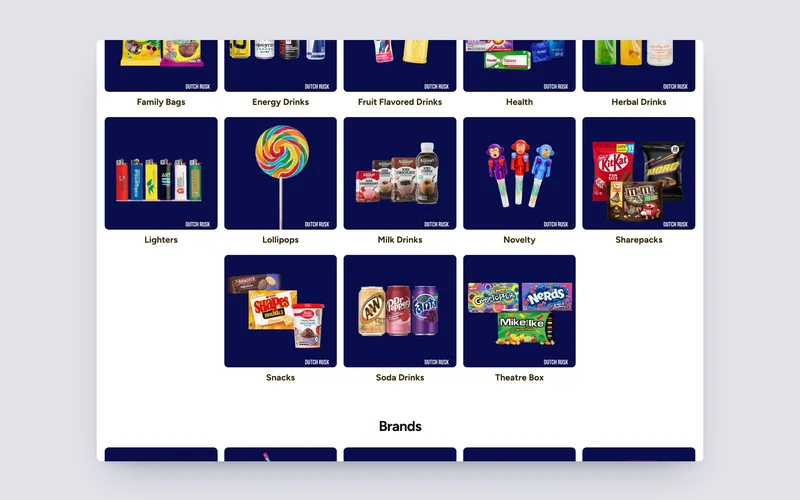
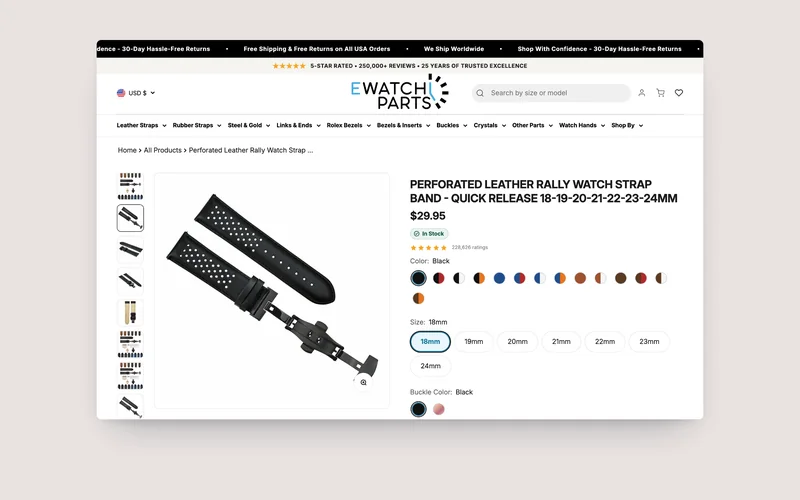
Fashion and apparel, homewares, health and supplements, food and beverage, jewelry, industrial and trade supply, and rental businesses. The pattern that matters more than the industry is the commercial model: direct-to-consumer, B2B wholesale, or a hybrid running both from one storefront, because that is what actually determines how the store has to be built.
How do you price enterprise work?
Fixed price against a written scope wherever the scope can be defined, which is more often than agencies pretend. Genuinely open-ended programs run as a monthly allocation with a roadmap reviewed each quarter. Enterprise and Shopify Plus engagements start at USD 15,000. Every number is quoted before work starts.
What is your approach to accessibility?
Semantic markup, keyboard operability, visible focus states, real color contrast and labeled form controls are part of the build rather than a later audit. We target WCAG 2.2 AA. We will not claim a store is fully compliant on the strength of an overlay widget, because overlays do not fix the underlying markup and have become a litigation risk of their own.
How should we evaluate you against another company?
Ask all of us the same four questions and compare the answers. What is explicitly out of scope in this quote. Who specifically writes the code and can we meet them. What happens to the code and the store if we leave. What have you published that we can inspect without your help. The answers separate suppliers faster than a portfolio does.
What is the first step?
A scoping conversation, at no cost, where we try to understand the business before discussing the build. You leave with a written view of what the project involves and a fixed-price range, whether or not you engage us. If Shopify is the wrong platform for what you have described, that is what we will tell you.
Related
Looking for something more specific?
Further reading
Guides worth your time.
- Best Shopify Experts in Australia and New Zealand, ranked and reviewed
- What Shopify development actually costs, with real project ranges
- Shopify vs Magento: which platform fits which business
- Shopify store security and bot protection, what merchants miss
- Shop Pay Installments and what it does to conversion
- Running rentals on Shopify: the Booqable alternative











Tell us what you are building.
Send the store URL and what you want to change. You get a written response with an honest read on scope, a fixed-price range and a timeline. No discovery fee, no obligation.