 By
By 
From our offices in New Zealand and Atlanta, USA, we have watched brands attempt to "go global" with varying degrees of success. The most common pitfall is the "One Store Fits All" trap. Merchants often think that enabling multiple currencies is enough to win in the USA or Europe. The reality is that local consumers expect a local experience:from sub-second load times in their region to familiar payment methods and transparent duty calculations.
As experts who manage expansion for brands across 12 countries, we've developed a blueprint for Shopify global dominance. Here is how to scale in 2026.
1. Shopify Markets vs. Multi-Store Architecture
The first strategic decision is your store architecture. Shopify Markets has made it incredibly easy to manage multiple regions from a single admin. It is the perfect solution for brands starting their international journey, allowing for localized pricing, domains, and inventory routing without the overhead of multiple codebases.
However, for enterprise brands making $50M+ in specific regions (like a NZ brand moving heavily into the USA), a Multi-Store setup often provides better flexibility. It allows for region-specific marketing integrations, unique warehouse connectivity (using our Odoo bridge), and completely different content strategies for different cultures.
2. Localized Engineering: Beyond the Language
True localization happens at the engineering level. This means implementing Hreflang tags correctly so Google knows which version of your site to show in London vs. Sydney. It means using a Content Delivery Network (CDN) that ensures your Manhattan customers aren't waiting for assets to load from a Christchurch server.
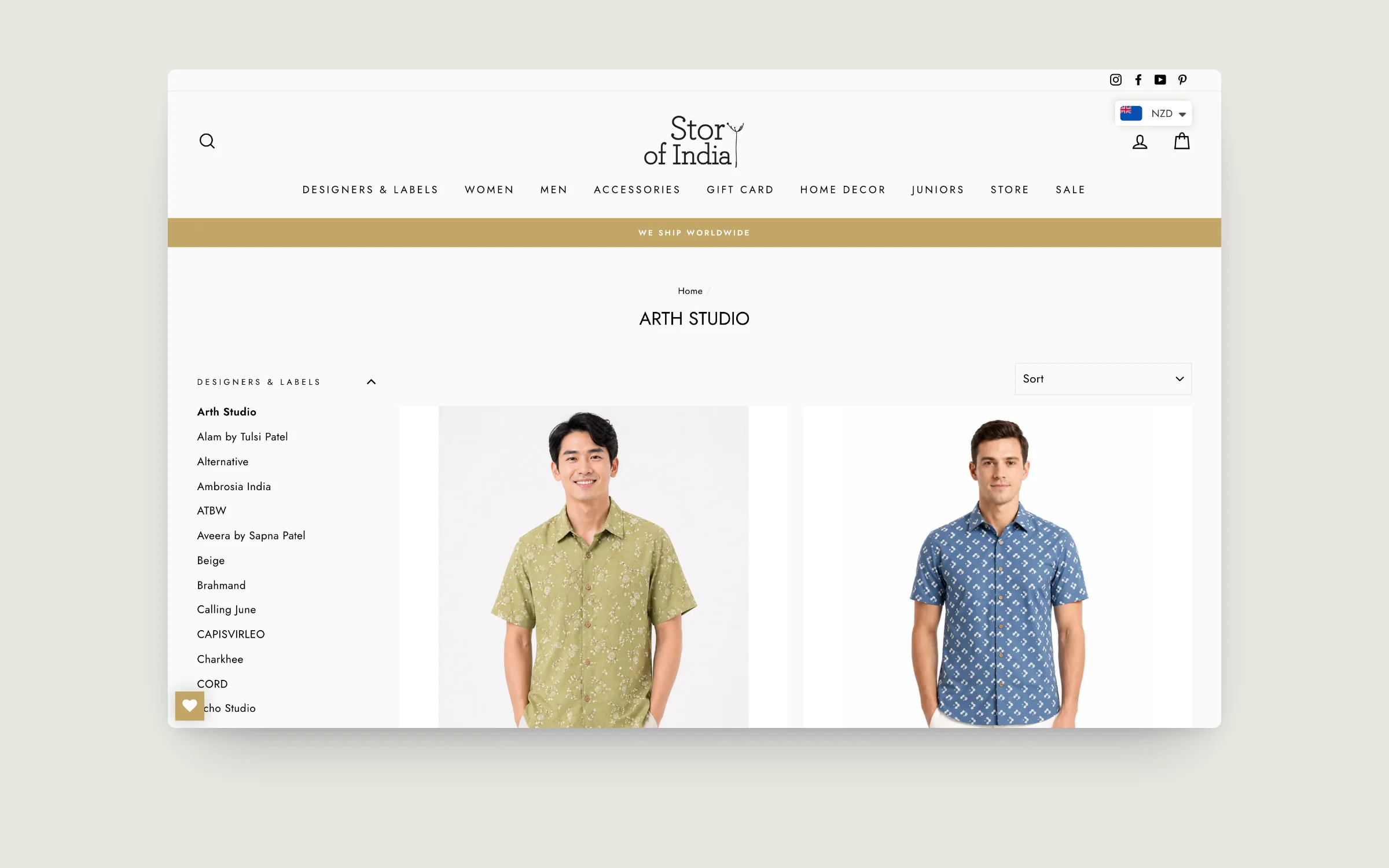
It also means localizing your Retention Strategy. A loyalty program that works in India might need different psychological triggers in Canada. Miko Loyalty was built with this in mind, allowing you to create region-specific reward tiers that respect local consumer behavior.
3. Operational Synchronization
The biggest challenge of global expansion is inventory. If you are shipping from three different warehouses across the globe, you need a central source of truth. This is where our enterprise integration expertise comes in. We synchronize your global stock levels in real-time, ensuring that a "Low Stock" alert in California doesn't prevent a sale in Wellington, and vice-versa.
The World is Your Market
Expansion is a marathon, not a sprint. By focusing on localized performance and operational unity, you can build a brand that feels native in every corner of the world. At Tripster Developers, we have the global footprint and technical depth to take you there. Learn more about our global offices and expertise.
"Tripster Developers managed our expansion from New Zealand into the North American market. Their technical SEO and multi-currency engineering helped us achieve our 2-year revenue target in just 9 months. They truly understand global commerce."
